The bathroom is where most serious falls happen for elderly parents in India, and the ten modifications that matter most are: anti-skid flooring, grab bars beside the toilet and in the shower, a shower seat or bench, a level shower threshold, night lighting on the route to the bathroom, an outward-opening or sliding door, a raised toilet seat, a hand shower on a rail, non-slip mats outside the wet zone, and water temperature control. Most of these are inexpensive if planned before renovation and expensive to retrofit after a fall.
Why Bathrooms Are the Highest-Risk Room in an Indian Home
Indian bathrooms present a specific set of hazards that differ from Western homes: wet floors from bucket bathing, raised thresholds, glossy tiles, tight layouts, and often poor ventilation. These conditions combine to make the bathroom the single most dangerous room for an aging parent—and the place where most domestic falls occur.
This guide gives you the ten modifications that matter, the order to do them in, and what to budget. If you are managing your parent's care from another city or from abroad, a KushCare Discovery assessment can evaluate the bathroom and the rest of the home before you spend on the wrong fixes.
The 10 Essential Bathroom Modifications
1. Anti-Skid Flooring (The Single Most Important Change)
This is the decision that prevents the most injuries, and it is almost free if you are already re-tiling. Ask for the anti-skid rating of any tile and evaluate it wet, not dry. Polished stone in a shower zone is the wrong material regardless of how it looks. In Indian homes where bucket bathing is common, the entire bathroom floor becomes a wet zone—so anti-skid coverage needs to extend beyond the shower area. If you cannot re-tile, non-slip mats covering the floor are a budget alternative, but ensure the mats themselves do not become trip hazards.
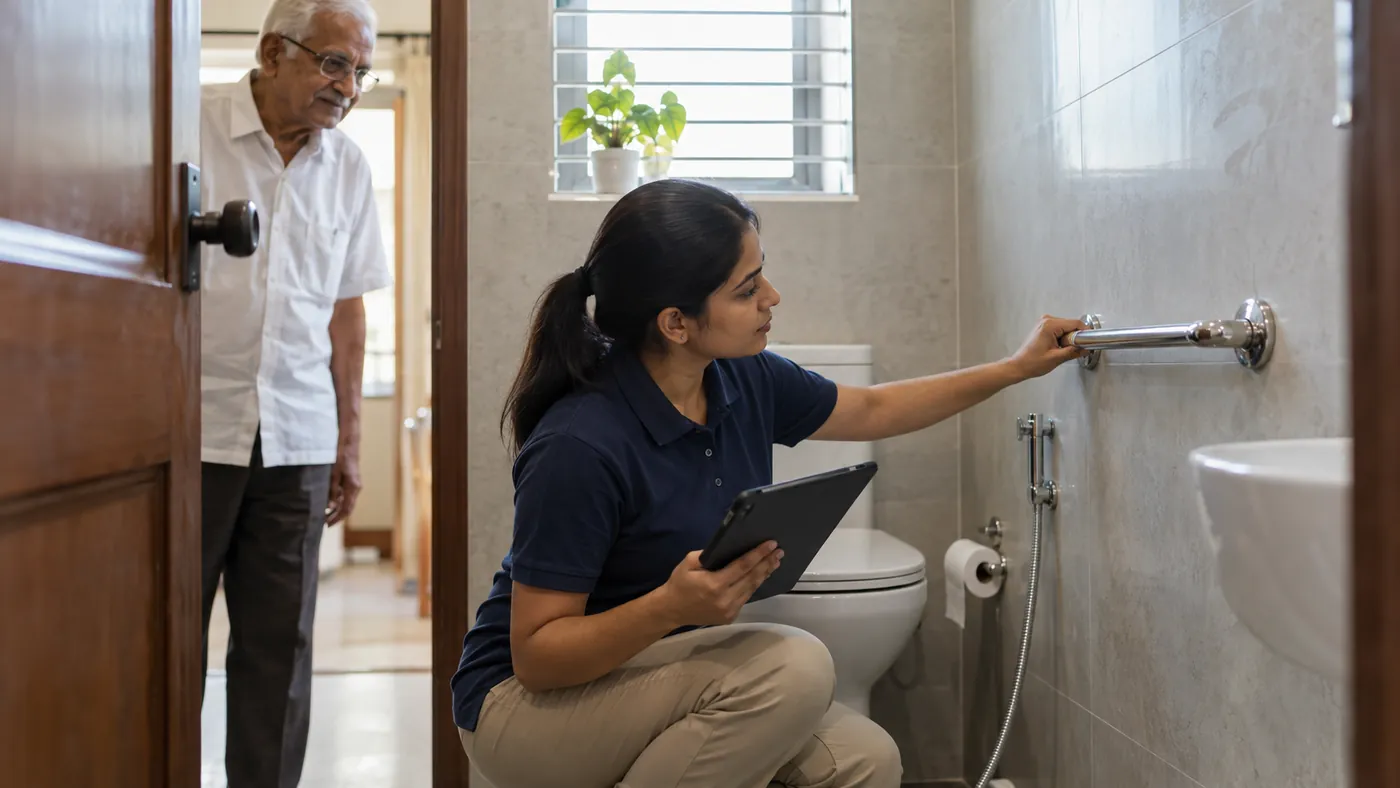
2. Grab Bars Beside the Toilet and in the Shower
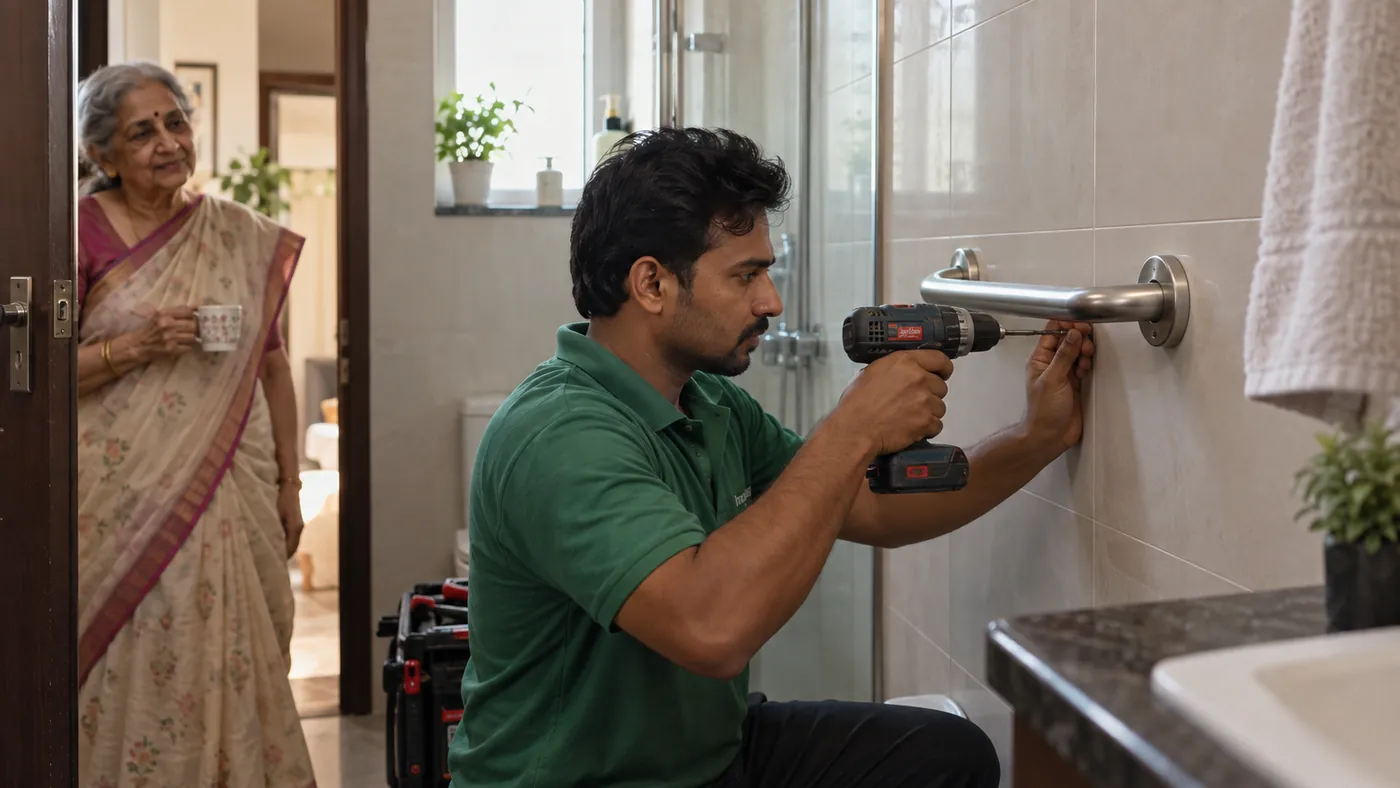
You need grab bars in two places: one to help your parents stand up from the toilet, and one to help them get in and out of the shower. Install them horizontally or vertically, never diagonally. Do not use towel racks as substitutes—they cannot support a person's weight.
The hidden cost: grab bars require solid fixing provision behind the wall. If you are renovating, ask for blocking behind the tile at the right positions. Retrofitting into hollow blockwork later means opening a finished wall.
3. A Shower Seat or Fold-Down Bench
Standing to shower is where balance fails—and in Indian bathrooms where bucket bathing is common, the risk is even higher because there is no shower cubicle to lean on. A stable shower chair or wall-mounted fold-down bench allows your parent to sit while bathing, reducing the risk of slipping. Choose a bench with non-slip feet and make sure it is sturdy enough to take weight.
4. A Level or Minimal Shower Threshold
A raised curb to step over is a trip point—and Indian bathrooms almost always have one to contain water. The safer design is a level or minimal threshold, with drainage handling the water rather than a step. Where a threshold cannot be removed, mark it clearly and ensure lighting falls directly on it.
5. Night Lighting on the Route to the Bathroom
Older eyes adapt more slowly between bright and dim, and need substantially more light for the same task. The single most valuable lighting addition is night route lighting from bed to bathroom—cheap to install and addresses the situation where falls actually happen. Raise task light levels at the bathroom mirror rather than raising overall brightness, which only creates glare.
6. An Outward-Opening or Sliding Door
If your parent falls behind a locked, inward-opening door, help cannot reach them. The door should open outward or slide, so it can be opened if someone falls behind it. Also consider removing the internal lock so a family member or caregiver can enter in an emergency.
7. A Raised Toilet Seat or Commode Chair
A slightly higher toilet pan is easier to rise from, especially for parents with knee or hip weakness. An elevated toilet seat or a commode chair can be added without renovation. Decide the toilet height deliberately if you are renovating—it costs nothing to specify at the drawing stage.
8. A Hand Shower on a Rail
A hand shower gives your parents control over water direction without stepping into the wet zone. Pair it with tap and shower controls reachable without stepping into the shower area. This is a low-cost modification with high daily utility, and it works well alongside bucket bathing.
9. Non-Slip Mats Outside the Wet Zone
Use a non-skid bath mat outside the bathing area for firm footing when stepping out. Keep the floor outside the wet zone dry, and wipe up spills immediately. Remove decorative rugs that can slide or trip.
10. Water Temperature Control
Set the water heater to no more than 49°C (120°F) to prevent scalds, which are a particular risk for parents with reduced sensation or slower reaction times. In Indian homes with geysers, a single-lever faucet that mixes hot and cold together is safer than separate taps.
What This Costs in India (and What to Do First)
A focused senior-safety upgrade for a 2BHK resale flat may start around ₹1.8 lakh to ₹4.5 lakh, depending on how much bathroom work is included. But the highest-value changes are the cheapest: anti-skid flooring and night lighting address the situations where injuries actually happen, and both are inexpensive.
If your parent is not yet in crisis, the smart approach is to provide for the expensive-to-retrofit items now—blocking behind tile for grab bars, lighting circuits, an anti-skid floor, and door swing direction—and add the visible fittings (grab bars, seat) when they are needed. This is the cheapest possible version of being ready.
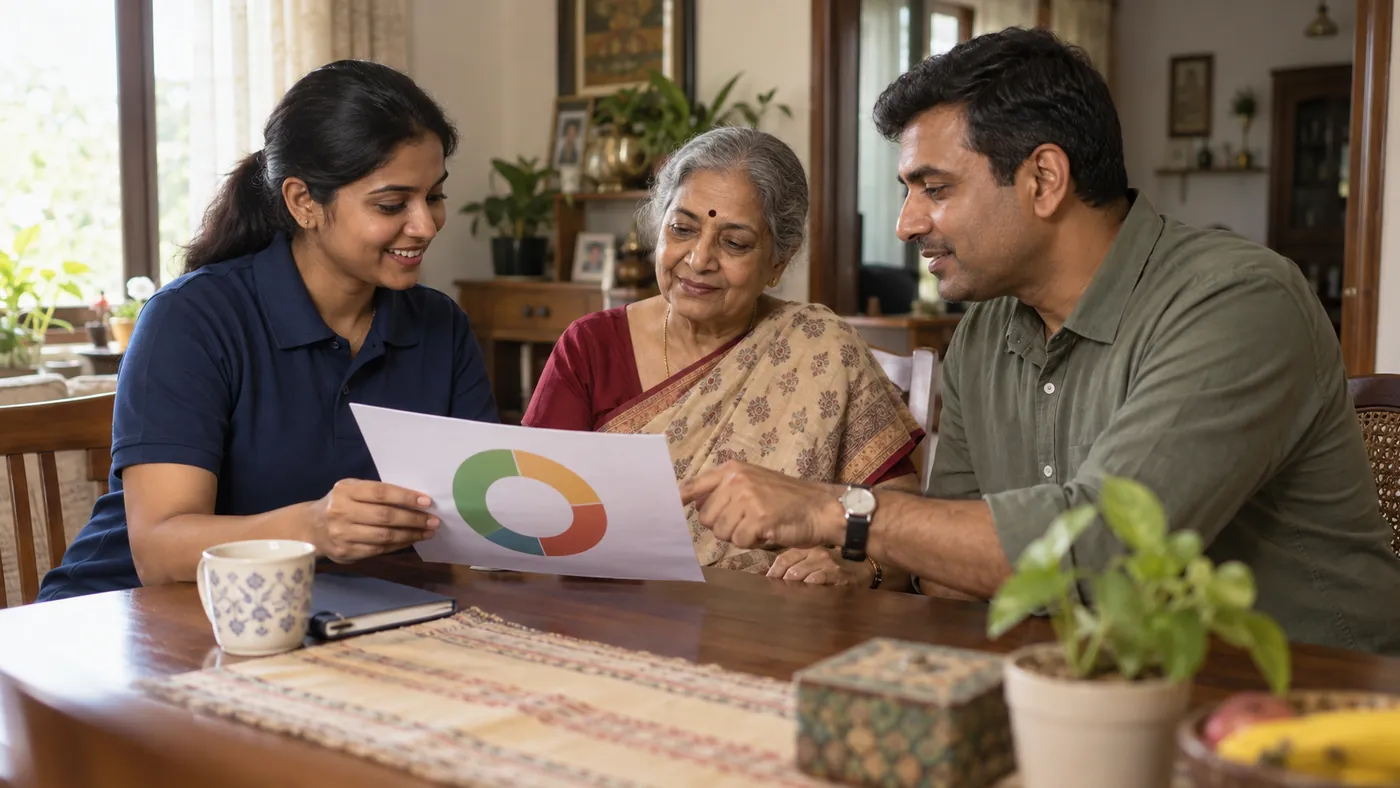
For families managing a parent's home from another city or from abroad, the practical first step is an assessment, not a purchase. KushAlaya's KushCare Discovery is a free, scored home visit that produces a KushAlaya Safety Score out of 100 and a prioritized plan. It tells you which bathroom risks need fixing now, which can wait, and which can be solved with a ₹5,000 modification rather than a ₹50,000 renovation.
A Room-by-Room Check Before You Spend
Before committing to a contractor, walk the bathroom with this list:
- Floor: Is it anti-skid when wet? Are there loose mats or rugs?
- Toilet: Can your parents stand up without holding something unstable? Is the pan too low?
- Shower: Is there a step to get in? Is there anywhere to sit? Are grab bars within reach?
- Door: Does it open outward or slide? Can it be unlocked from outside?
- Lighting: Can your parents see the route to the bathroom at night without turning on bright overhead lights?
- Water: Is the temperature capped? Are controls reachable without entering the wet zone?
If several items on this list are unchecked, a professional assessment will save you from spending on the wrong fix. KushAlaya's Safety Score is designed for exactly this: a clear, room-by-room report that families can act on with confidence, wherever they live.
The Bottom Line
The ten modifications above reduce the risk where it matters most: the wet, hard, tight spaces where elderly parents are most likely to fall. Start with the floor and the night route—they are the cheapest and the highest-value. Plan the blocking and lighting circuits before any renovation, because those are the items that cost little now and a great deal later. And if you are managing care from another city or from abroad, get an assessment before you get a contractor.
KushAlaya provides elder care at home across India, beginning with a free KushCare Discovery assessment and a KushAlaya Safety Score that tells families exactly where the risks are—and what to fix first.
Questions families ask
What is the most important bathroom modification for elderly parents in India?
An anti-skid bathroom floor, evaluated wet. It is inexpensive, addresses the highest-risk surface, and prevents the falls that lead to hospitalisation. Night lighting on the bed-to-bathroom route is the second-highest-value change.
Can grab bars be added later, or do they need to be planned during renovation?
Grab bars can be added later, but only if there is solid backing behind the tile. Retrofitting into hollow blockwork or tile alone is not adequate for taking a person's weight, and adding solid backing later means opening a finished wall. If you are renovating now, provide the blocking even if you do not fit the bars yet.
How much does a bathroom safety renovation cost in India?
Focused senior-safety upgrades may start around ₹1.8 lakh to ₹4.5 lakh for a 2BHK resale flat, depending on scope. But many of the highest-impact changes—night lights, non-slip mats, a hand shower—cost far less. An assessment before renovation prevents spending on decorative work that does not address fall risk.
My parents live in India and I am abroad. How do I know what to fix first?
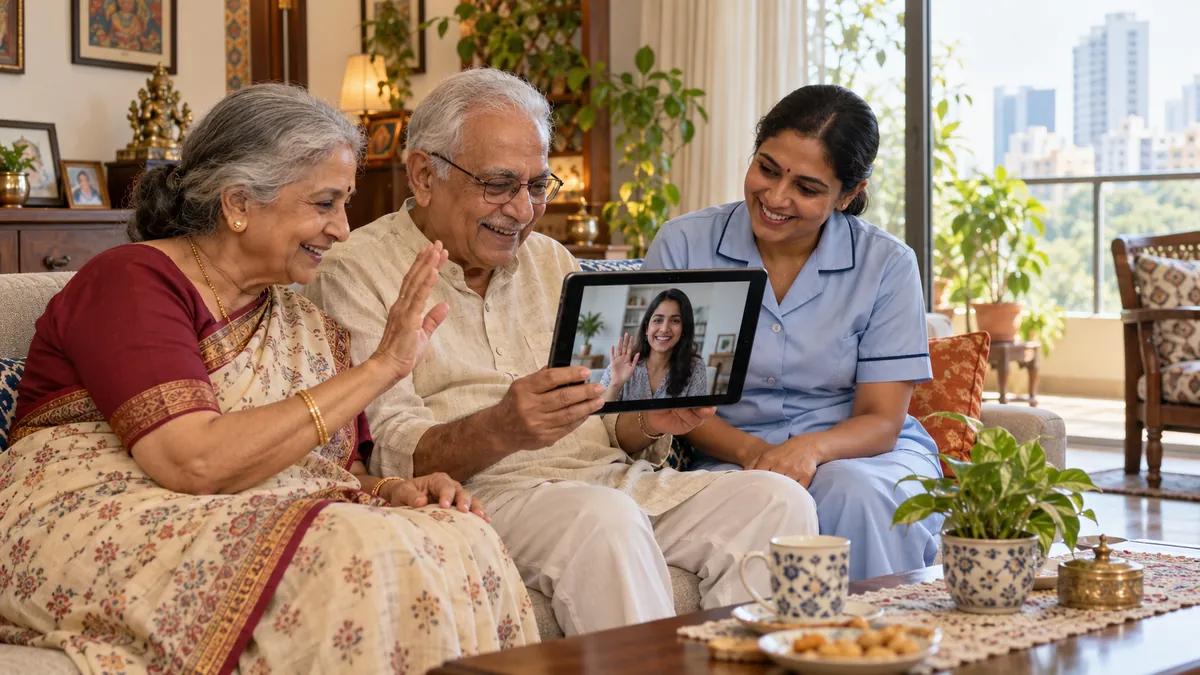
A professional home assessment is the fastest way to get a prioritized list without guessing from photos. KushAlaya's KushCare Discovery is a free, scored assessment that covers the bathroom and the rest of the home, producing a KushAlaya Safety Score and a clear plan you can act on remotely.
Do these modifications work in Indian bathrooms with bucket bathing?
Yes—and they matter more, because bucket bathing turns the entire floor into a wet zone. Anti-skid flooring across the full bathroom, a shower seat, and grab bars near the bathing area are especially important where there is no shower cubicle to contain water.